Sécurité du codage IA
L'angle mort du code généré par IA qu'Alibaba corrige en cours de phrase
Alibaba Cloud lance Qoder Security, un système de revue de code en session conçu pour détecter les vulnérabilités pendant le développement plutôt qu'à l'étape CI. La plateforme revendique 80% de faux positifs en moins et des cycles de correction de quelques heures.
Emmanuel Fabrice Omgbwa Yasse Assisté par IA
2026-07-26 · Dernière mise à jour : 2026-08-03 · 4 min de lecture
Pourquoi la sécurité ne peut pas attendre
Les assistants de codage IA ont inversé l'équation : plus de code, plus vite, mais aussi plus de vulnérabilités par ligne. Une étude de juillet 2026 portant sur près de 9 000 programmes C++ a révélé que le code généré par IA est environ deux fois plus susceptible de déclencher des violations d'exécution que le code écrit par les mêmes développeurs humains. La détection de sécurité traditionnelle a lieu au stade de l'intégration continue (CI), arrivant bien après que le développeur est passé à autre chose, quand le contexte est froid et que les faux positifs nécessitent une vérification manuelle pénible. Des modèles spécialisés, comme le cyber-fine-tune de Google, ont montré qu'un entraînement ciblé peut améliorer la détection, mais le moment reste le problème.
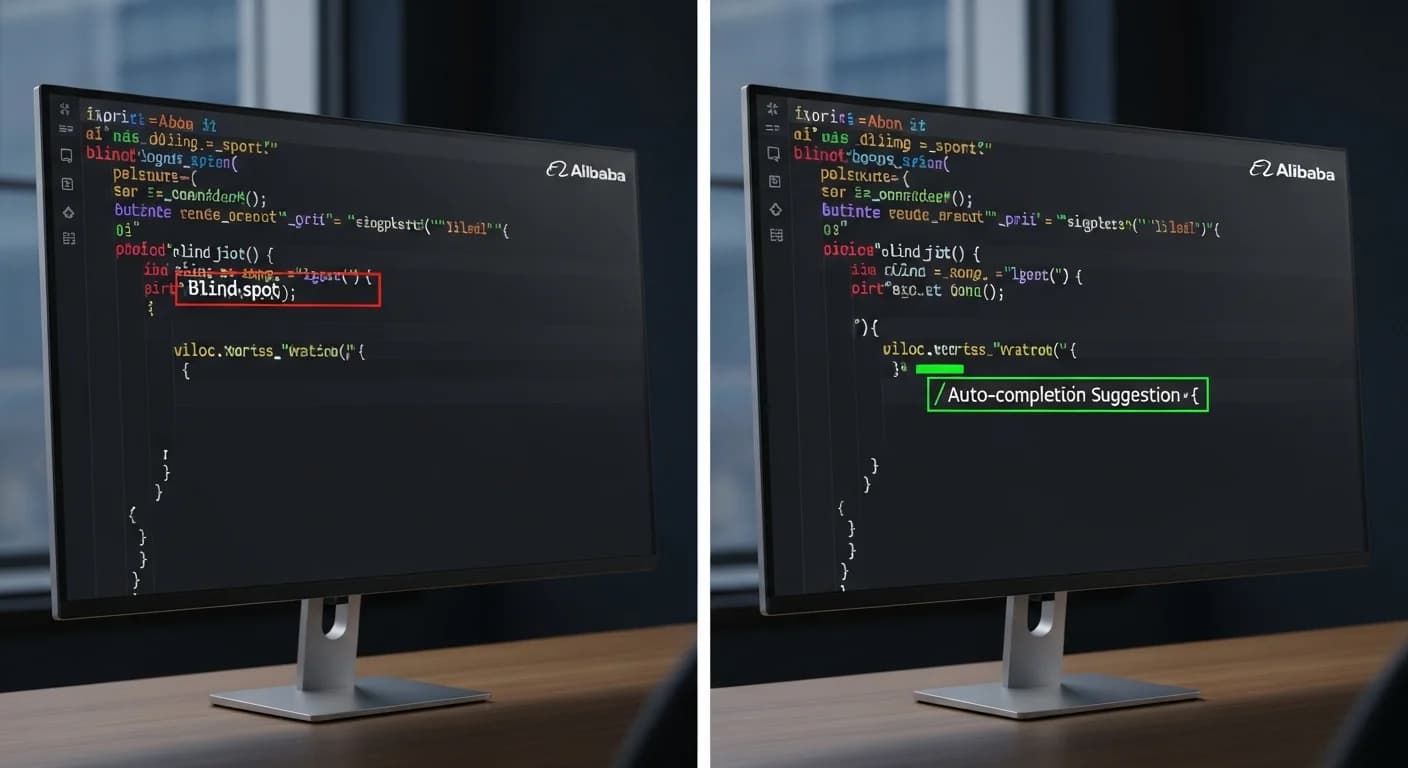
Alibaba Cloud parie désormais que la solution consiste à déplacer la sécurité au moment où le code est écrit. Son nouveau produit, Qoder Security, s'intègre directement dans la plateforme de codage IA Qoder existante de l'entreprise, à la fois dans l'IDE de bureau et la version CLI. Au lieu d'analyser le dépôt après le commit, il examine le code au fur et à mesure que l'IA le génère et propose des correctifs avant que le développeur ne tape la ligne suivante. Cela est similaire à Claude Security d'Anthropic, qui vise également à détecter les problèmes pendant le développement.
Trois couches, une session
Qoder Security utilise une architecture à trois niveaux pour équilibrer rapidité et profondeur. Le premier niveau fonctionne au niveau du flux de caractères avec une latence nulle : il détecte les appels de fonction dangereux comme Runtime.getRuntime().exec() à l'aide d'expressions régulières (regex) et les corrige automatiquement sans coût de calcul supplémentaire. Le deuxième niveau, une révision sémantique incrémentale, s'active après la fin d'une tâche. Il examine l'intention du nouveau code, pas seulement sa syntaxe, signalant des problèmes comme l'injection SQL, l'exécution de code à distance et les fuites de données sensibles que la regex manquerait. Le troisième niveau s'exécute avant le commit : une révision approfondie inter-fichiers qui suit la propagation de taint de la source à la destination à travers plusieurs fichiers, révélant des vulnérabilités corrélées invisibles à une analyse mono-fichier. Des alternatives open source comme VulnClaw adoptent une approche différente, en automatisant l'ensemble du pipeline de test d'intrusion via des agents LLM.
Selon Alibaba, les trois couches sont conçues pour ne pas interrompre le flux de codage. La première s'exécute automatiquement ; la deuxième et la troisième invitent l'utilisateur à lancer une analyse à des moments appropriés, ne fonctionnant qu'avec une approbation explicite. Le système utilise également une architecture à double agent : un agent de codage et un agent de révision de sécurité indépendant avec ses propres sous-agents d'analyse et de vérification. L'entreprise affirme que cela évite le problème du même agent évaluant ses propres modifications.
Contexte sectoriel : la course au moment de la création
Qoder Security n'est pas le premier produit à intégrer la sécurité dans le codage IA. OpenAI a lancé Codex Security plus tôt cette année avec une approche d'analyse au niveau du dépôt. Anthropic a intégré la révision de sécurité dans les sessions de Claude Code. L'objectif est le même : détecter les problèmes lorsque le développeur est encore dans le code, pas des jours plus tard à l'étape CI. Le différenciateur d'Alibaba est le modèle à trois niveaux et le grand modèle propriétaire spécifique à la sécurité qu'il utilise pour les couches plus profondes, plutôt que de s'appuyer sur un modèle à usage général. Cette course reflète un changement plus large, à mesure que les agents IA commencent à réécrire la cybersécurité sous les angles de l'attaque et de la défense.
Avant le lancement, Alibaba a testé le système sur des projets open source de qualité production et des composants d'infrastructure IA. L'entreprise affirme avoir découvert plus de 600 problèmes de sécurité dans ces projets, y compris une vulnérabilité critique d'exécution de code à distance dans la bibliothèque Fastjson, une faille que les attaquants peuvent exploiter pour exécuter du code arbitraire sur le système cible. Qoder Security détecte désormais cette vulnérabilité spécifique.
Vérification sur le terrain
Les chiffres cités par Alibaba sont frappants : une amélioration de 60% des taux de détection des vulnérabilités, une réduction de 80% des faux positifs, et des cycles de correction mesurés en heures plutôt qu'en jours ou en semaines. Les équipes internes auraient constaté une diminution de 35% à 45% des retours liés à la sécurité dans les révisions de code après l'adoption du produit. Mais ces chiffres proviennent des propres tests et équipes d'Alibaba. Une validation indépendante fait encore défaut, et les faux positifs restent un problème tenace dans tout outil de sécurité. Une réduction de 80% laisse encore du bruit que les développeurs doivent trier. Les enjeux réels sont illustrés par des incidents comme la première attaque de ransomware entièrement pilotée par IA, qui a exploité des faiblesses que les outils proactifs visent à prévenir.
Le défi du coût est également réel. Exécuter un grand modèle sur chaque ligne de code détruirait la latence et consommerait des ressources de calcul. La conception à trois niveaux d'Alibaba tente de réserver les passes coûteuses pour l'analyse approfondie avant commit, mais le compromis est que les deuxième et troisième couches ne s'exécutent que lorsque le développeur dit oui. Un développeur pressé pourrait les ignorer.
Pour l'instant, Qoder Security est disponible mondialement dans Qoder Desktop et CLI avec un simple clic dans les paramètres, sans plugins supplémentaires ni fichiers de configuration nécessaires. Alibaba indique qu'il fonctionne avec les versions Internationale et Chine de Qoder. Le produit est gratuit pour la couche regex ; les analyses plus profondes utilisent les ressources de calcul de l'utilisateur ou des crédits cloud.
L'IA écrit du code plus vite que les humains ne peuvent le réviser. Intégrer la sécurité dans ce processus est peut-être le seul moyen de conserver la vitesse sans accumuler de risques. Le pari en couches d'Alibaba fonctionnera ou non selon que les développeurs laissent réellement l'outil s'exécuter.
L'essentiel de la tech en 3 minutes chaque matin
Un email, chaque jour ouvré, avec ce qui compte vraiment en IA et en tech.