Coinbase Regulated Futures
The tax loophole Coinbase is using to sell you leveraged crypto futures
Coinbase launches regulated futures and perpetuals with a 60/40 tax advantage for crypto traders. The offer includes up to 25x leverage on commodities and 10x on crypto, plus a unified USD/USDC portfolio. Analysis of the real trade-offs behind the marketing.
Emmanuel Fabrice Omgbwa Yasse AI-assisted
2026-08-02 · Last updated: 2026-08-03 · 4 min read
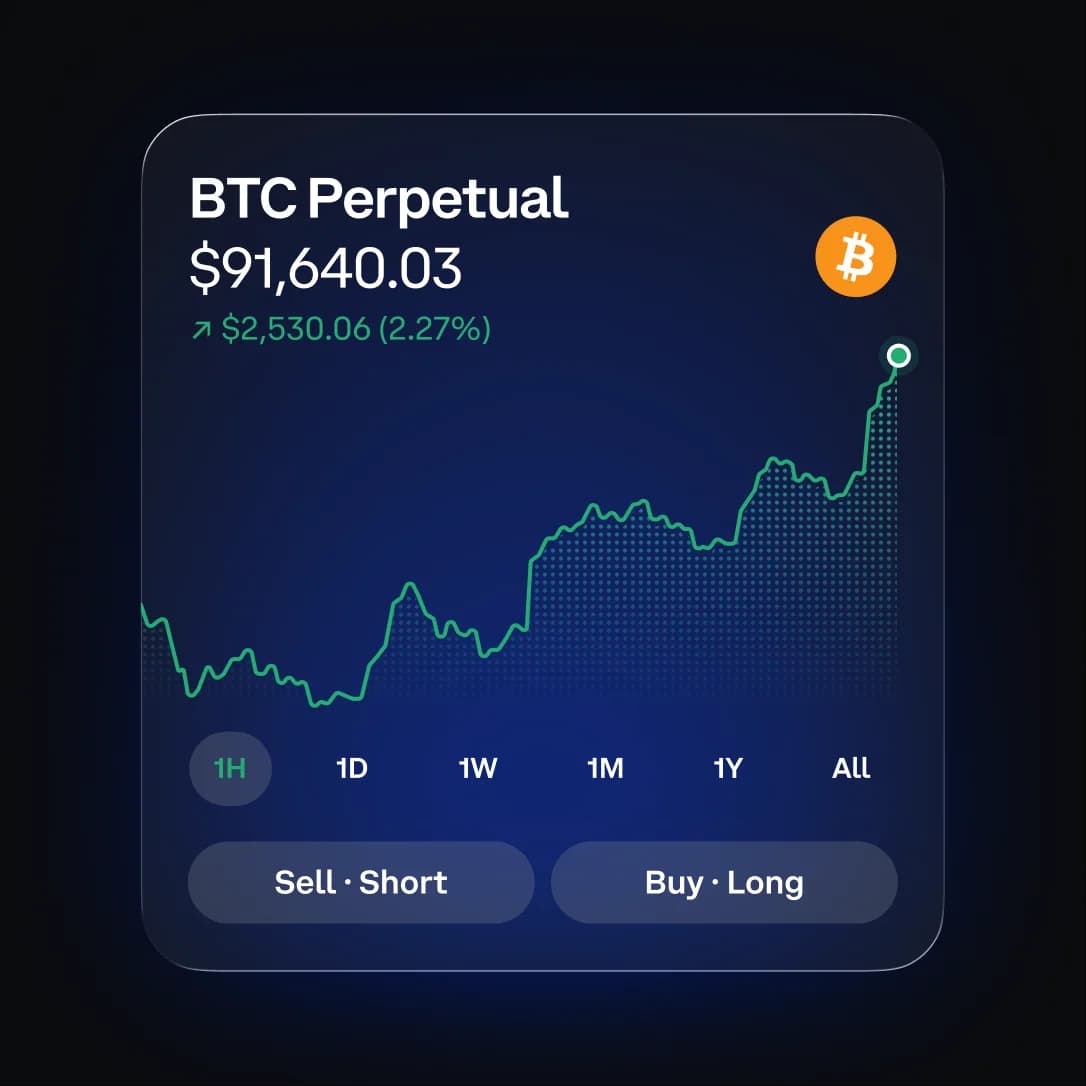
Coinbase is marketing its new futures and perpetuals trading with a line that stands out in crypto: "Keep more of your gains." The selling point is a tax argument, not faster execution or lower fees. Futures and perpetual contracts traded through Coinbase Financial Markets qualify for the 60/40 rule under Section 1256 of the U.S. tax code, meaning 60% of profits are taxed at the long-term capital gains rate no matter how short the holding period. For a retail trader in a high bracket, that can bring the effective tax rate on short-term crypto bets down significantly.
The tax hook: how Coinbase markets the 60/40 rule
Most crypto exchanges, especially unregulated offshore ones, offer no such tax classification. The 60/40 rule is a genuine structural advantage over spot trading, where the IRS treats every short-term trade as ordinary income. Coinbase makes it the centerpiece of its marketing. But the rule only applies to Section 1256 contracts, which have to be traded through a regulated futures commission merchant. Coinbase Financial Markets is registered with the CFTC and is a member of the NFA, so its contracts qualify. The catch: you need to go through a regulated broker, which means full KYC, position limits, and no access to the 100x leverage or exotic products common on platforms like Bybit or Binance. The perpetuals Coinbase offers appear to be structured to fall under the same regulatory umbrella, though the product page does not explicitly state how they are classified for tax purposes. The risks of unlicensed platforms are well documented, as the 98% crash of the Trump memecoin showed the regulation risks of unlicensed platforms.
Leverage levels and product range
The product table lists more than 40 contracts across crypto, precious metals, energy, and equity indices. Leverage caps vary: 4x on smaller coins like Litecoin, Bitcoin Cash, Dogecoin, and Shiba Inu; 10x on nano Bitcoin and nano Ether; 20x on gold and PAX Gold perpetuals; and up to 25x on commodities futures intraday. Crypto contracts top out at 10x. The perpetuals, marked "Perp" in the table, cover the same majors: nano Bitcoin, nano Ether, nano Solana, nano XRP, plus perps for Cardano, Chainlink, Avalanche, and newer tokens like HYPE, BNB, and Ethena. Contract sizes are small, nano Bitcoin is 0.01 BTC, nano Ether is 0.1 ETH, clearly built for retail. A nano Bitcoin contract at current prices controls roughly $800 worth of Bitcoin, with a margin requirement around $80 at 10x leverage. Gold contracts run 1 troy ounce, silver at 50 ounces, natural gas at 1,000 MMBtu. There are also index perpetuals, AI10, China10, Defense10, Tech100, with up to 20x leverage, trading nearly 24 hours a day, 5 days a week.
Regulatory scaffolding and risk disclosures
Coinbase separates the futures business from its spot exchange explicitly. The disclaimer is clear: "Futures accounts are maintained by Coinbase Financial Markets. Spot accounts are maintained by Coinbase Inc., which is not CFTC registered and is not a member of the NFA." The risk warnings are standard for the industry. "The risk of loss using leverage can exceed your initial investment amount" is boilerplate, and it is true. Coinbase also discloses a $0.15 per contract fee to cover exchange, NFA, and clearing costs, plus volume-based maker fees as low as 0.005%. The fine print on leverage says it "can work for or against you," but the marketing pages lead with "Trade more, with less" and "Keep more of your gains." For crypto-native users used to 100x offshore leverage, a 25x cap still feels aggressive. And the 60/40 tax rule is a subtle enough benefit that many retail users may not grasp the trade-off: you trade in a regulated environment with smaller contracts and lower leverage, but in return you get a tax break that only matters if you are profitable.
Competitive positioning in crypto derivatives
Coinbase presents itself as the regulated alternative for retail traders who want leverage without operating in a legal gray zone. The unified portfolio, trading futures and perpetuals with USD or USDC balances in the same app, is a convenience most offshore exchanges don't offer without moving funds between wallets. The TradingView integration and real-time order books bring the tooling up to what seasoned traders expect. The gap is product breadth. Offshore exchanges list hundreds of altcoin perpetuals with leverage up to 50x or 100x. Coinbase offers roughly 30 crypto contracts, leaning heavily toward large caps. Newer tokens like HYPE, Ethena, and ONDO are there, but nothing in the long tail. For a retail investor who wants a tax-advantaged way to speculate on Bitcoin and Ether with moderate leverage under a regulated roof, Coinbase might be the right fit. For everyone else, the offshore alternatives still offer more room to run, and more room to lose.
- Source : The tax loophole Coinbase is using to sell you leveraged crypto futures — 2026-02-04
Get the tech essentials in 3 minutes every morning
One email, every weekday, with what actually matters in AI and tech.