Mergers & Acquisitions
GoPro's $285M sale to Starman pushes its cameras toward defense work
Starman Holding is buying GoPro for $285 million in cash and steering it toward defense, government, robotics and aerospace. The deal follows years of decline, $92 million in debt, and a YouTuber's surprise 8.5 percent stake.
Emmanuel Fabrice Omgbwa Yasse AI-assisted
2026-09-15 · 3 min read
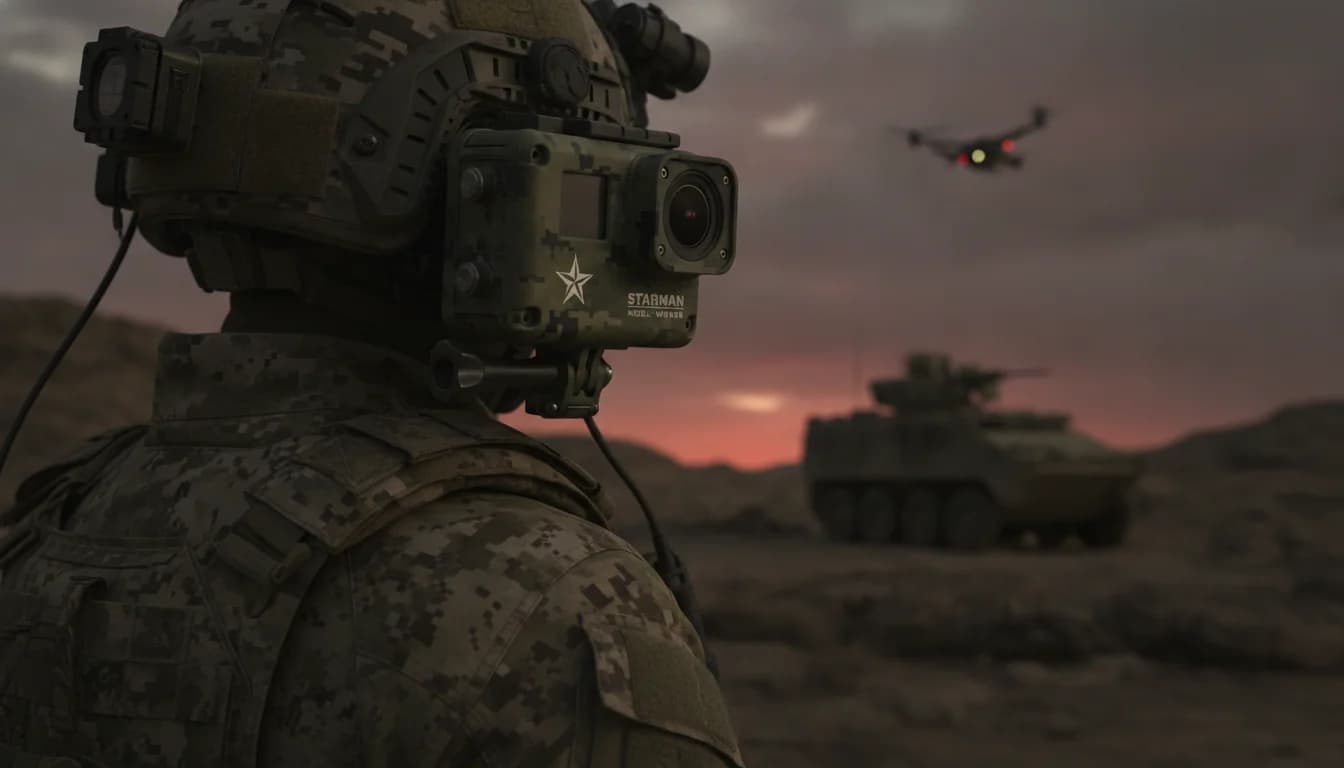
GoPro has been sold, and the buyer is not calling it that. Starman Holding is paying $285 million in cash for nearly the entire company and wants the transaction described as a merger. What the money buys is an action camera maker being pushed into defense, government, robotics and aerospace, in language that starts with the founder.
The exit closes a long slide. GoPro lost most of its publicly traded value years ago and still carried $92 million in debt when the deal came together, according to The Verge. The stock doubled overnight on the news before settling back down.
There is also an awkward human angle. YouTuber Mark Fischbach, known as Markiplier, became GoPro's single largest shareholder with an 8.5 percent stake. A week later, a sponsored review of the camera line went up without disclosing that holding. Starman says existing shareholders keep 10 percent of the company. Whether Fischbach stays in or takes a quick payout is unclear, The Verge reports.
What $285 million buys
The press release repositions the company before it gets to products. Founder and CEO Nick Woodman calls GoPro "a leading American imaging and optical solutions company, addressing important areas of national security related to cameras, optics and AI infrastructure."
Starman chief executive Charles Tebele frames the combination in supply chain terms. "The combination of GoPro's world-class optical expertise and intellectual property with Starman's advanced transceiver capabilities and U.S. manufacturing platform creates a unique opportunity," he said. "Together, we intend to bring production of these critical components back to the United States."
The message to existing customers is one sentence: GoPro will "continue to fully support its existing consumer products." Where the consumer line sits next to transceivers and U.S. manufacturing is not spelled out. The Verge's read: the release "sounds a bit like a pivot." The wider hardware market is tightening in parallel, with the memory shortage pushing gadget prices up, according to coverage of the shortage.
The direction predates the deal. GoPro had already announced in April that it would begin defense and aerospace consulting. Small rugged cameras and optics expertise transfer cleanly to that world.
Here is the arrangement in numbers, as reported by The Verge:
| Cash consideration | $285 million |
|---|---|
| Buyer's label | "merger" |
| Stake left with existing shareholders | 10 percent |
| Markiplier's stake | 8.5 percent |
| GoPro's reported debt | $92 million |
The same trade has played out elsewhere in tech this year. Cursor, the AI coding assistant, joined SpaceX and traded independence for the world's largest GPU fleet, according to our writeup of that deal. The GoPro brand keeps its name; Starman's stated strategy barely mentions the consumer market.
The buyer is more familiar than its name
The names most people would recognize in Starman's stable are phone cases. The Verge traces the structure: Starman owns Onward Brands, which acquired Vinci Brands, the parent of Incipio, Incase, Griffin and Survivor.
Then there is Digital Gadgets. The Verge reports it donated to New York Governor Kathy Hochul's campaign around the same period it secured $637 million in contracts for COVID-19 tests, and later sued the administration over subsequent bids. A buyer with that history now asks the public to take its national security story seriously. It is not disqualifying, but it is not the clean optics of the release either. The national-security pitch arrives as Washington starts outsourcing offensive hacking to private firms, as covered in our report on outsourced hacking.
The Verge also notes where the technology could lead. Tiny cameras, optical transceivers and defense manufacturing call to mind the fiber reels that trail behind attack drones, and how consumer U.S. drones were set aside in favor of that world.
An exit still waiting for the SEC
As of The Verge's report, the transaction had not reached the SEC's filing system. The stated plan is a close by the end of the year.
That leaves the consumer question open. The one-line promise to support existing products sits in the same release where Woodman describes a national security company. The action camera brand still exists on paper. It is no longer the reason anyone is paying $285 million.
Get the tech essentials in 3 minutes every morning
One email, every weekday, with what actually matters in AI and tech.