Product-image AI tools, live at Reve.com
Swap one element, and Reve's Templates redraw the rest
Reve's Templates turn one product shot into a full design: swap the product or text and the rest of the template updates automatically. The feature is live at Reve.com.
Emmanuel Fabrice Omgbwa Yasse AI-assisted
2026-08-08 · 3 min read
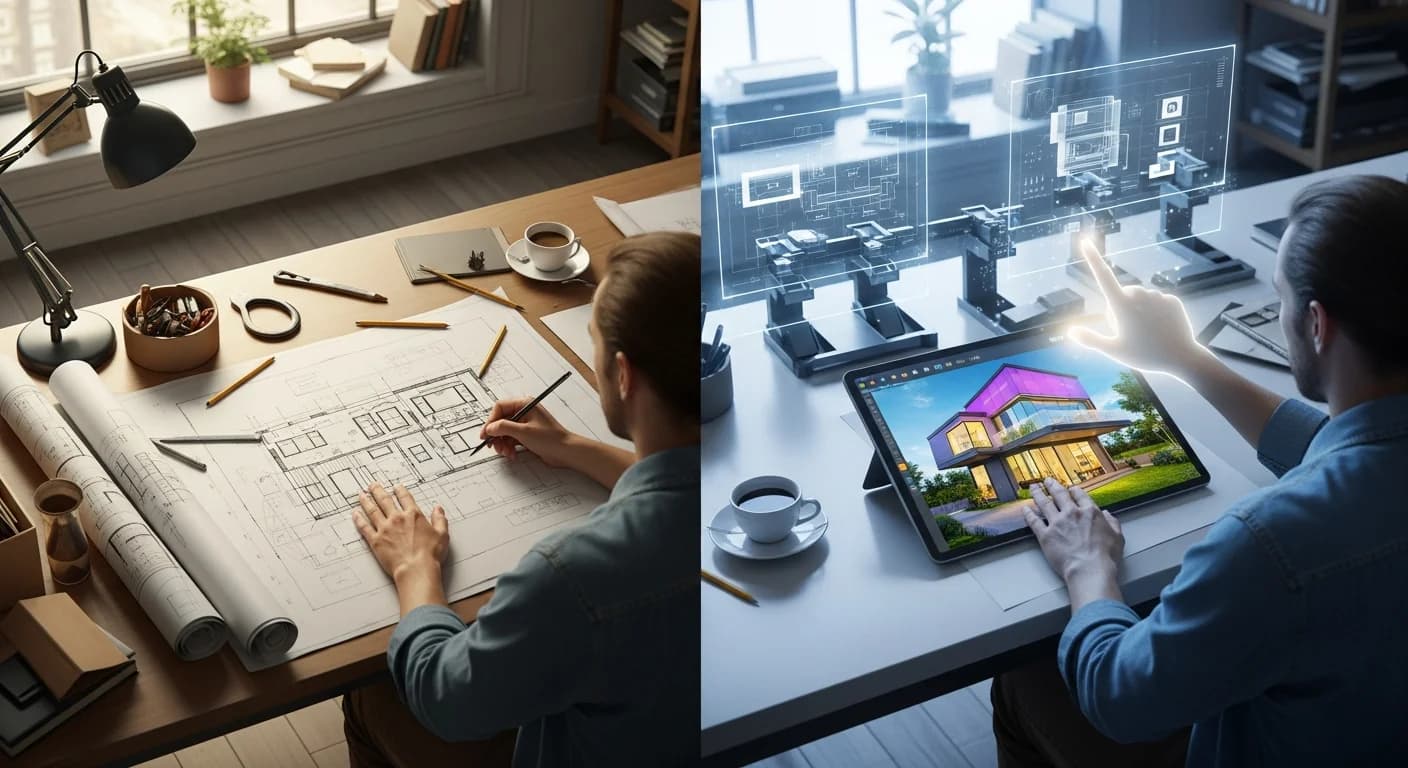
For years the image model pitch has been generation from nothing: a prompt, a picture, done. Reve's new Templates feature runs the other way. Launched July 20, it starts from a finished design and hands you the parts: replace the product, change the text, switch the aspect ratio, and the rest of the template updates around your change.
The mechanism is the point. Choose a template built for a category, pick the aspect ratio, and swap in your own core elements, meaning the product, the images, the text. The company's example: trade a soda can for a bottle of perfume, or turn a birthday template into an anniversary one, and the surrounding design shifts to fit. The template is not a static picture anymore. It adjusts around what you put in it.
The workflow has a loop to it. Pick a template, make a change, watch the rest adapt, refine the details, then explore new directions from the same starting point without starting over. That last step matters for anyone trying to keep a brand consistent across a batch of images. The template becomes a repeatable base, and the variations become the easy part.
Editing beats the blank page
The shift is subtle. Text-to-image begins at zero. Templates begin with an arrangement of layout, color, type, and composition that someone already designed, and make your product the variable. For someone photographing one item for several markets, the hard part, the layout, is done once, and the variations come from swapping elements in and out.
The template categories are a giveaway about who this is for: fashion, beauty, jewelry, food and drink, homeware, automotive. These are product-photography markets where one shot gets reused across ads, listings, and social formats, the formats that have become the most successful in marketing, per this breakdown of vertical video's dominance. A tool that updates the design when the product changes targets that workflow directly, and the selling point is control over what stays the same, a different promise from raw generation.
What the launch does not say
Pricing is absent from the announcement. So is the template count at launch, and so are the limits of automatic updates on complex layouts. A soda can for a perfume bottle is a clean swap; a real product photo with awkward lighting or a tricky background may test the dynamic update harder, and perception is a known weak spot: no frontier vision model cracked 60 percent, according to PerceptionBench's findings. The announcement does not say where that boundary is.
Reve also notes that you can refine details once elements are in place, adjusting layout, color, and style so the final image feels intentional. That is a useful hedge: the template sets the structure, and you set the finish. What counts as automatic versus manual stays vague, left for users to discover rather than promised in the announcement.
The direction of travel
Templates is a feature, but it points somewhere. Image tools are moving from one-shot output toward structured starting points you can edit and reuse, even as the prompt-based camp keeps improving, the latest case being GLM-Image's free fix for Chinese text rendering. Starting from a good layout and changing what needs changing is closer to how design work actually happens than typing a prompt and hoping.
For now, Templates is available at Reve.com, and the company is letting users find the limits themselves. The practical test, pricing and edge cases included, will come from people actually swapping their product shots in. That is the right way to evaluate an editing tool: not by the examples in the announcement, but by the imperfect inputs real users bring, the same reasoning that moved the industry away from static AI benchmarks.
Get the tech essentials in 3 minutes every morning
One email, every weekday, with what actually matters in AI and tech.