AI Coding Tools
Claude Code can now route to a whole school of models
Sakana AI's Fugu multi-agent system gains a Claude Code interface, allowing developers to orchestrate a pool of specialized models from within Anthropic's closed-source coding environment. The integration highlights a broader shift: model routing is becoming a platform feature, not a user concern.
Emmanuel Fabrice Omgbwa Yasse AI-assisted
2026-07-26 · 2 min read
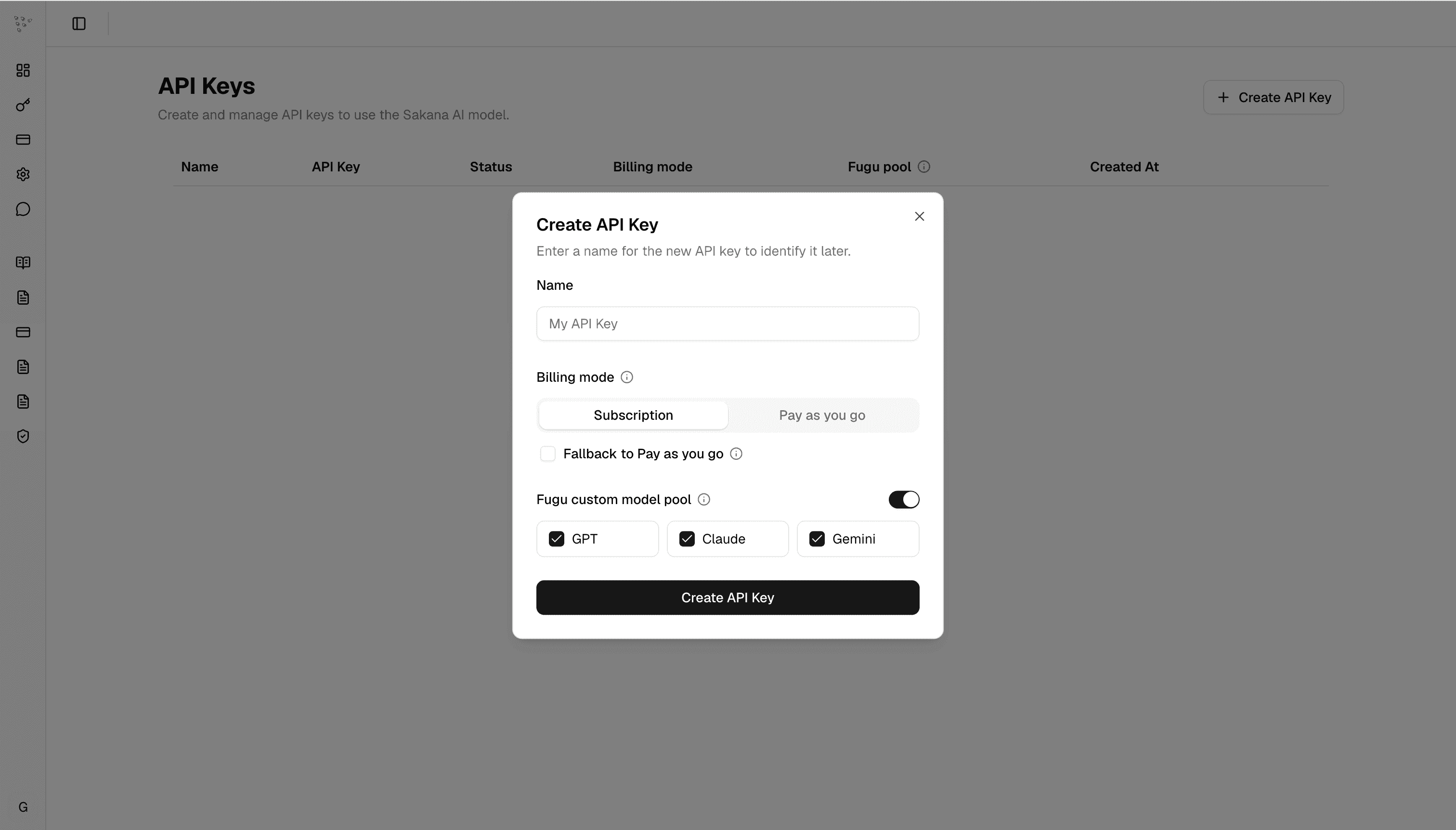
Claude Code, Anthropic's terminal-based coding agent, can now route tasks through Sakana AI's Fugu multi-model system. Instead of calling a single Anthropic model, it uses a set of environment variables to orchestrate a pool of specialized models behind the scenes. Developers have been pushing for more flexibility in their coding tools, and this integration is one answer.
Fugu is not a coding assistant itself. It's an orchestration layer that sits between you and a pool of frontier models. Each task gets routed to the model that fits it best, and the results are composed into one response. Sakana's argument is that a coordinated mix of open and specialized models can compete with monolithic systems without the provider lock-in. That orchestration layer is the piece other tools are also starting to build.
How the integration works
Claude Code connects to Fugu through five ANTHROPIC_* environment variables. The critical one is ANTHROPIC_BASE_URL, which now points to Sakana's API endpoint instead of Anthropic's. The model tier mapping is straightforward: Opus becomes Fugu Ultra, Sonnet and Haiku map to the base Fugu model, and the optional Fable tier becomes Fugu Cyber. Subagents also use the base Fugu model.
Users export the variables in their shell session and launch claude normally. The terminal feels the same, but the model handling all the work is now a routing system. Sakana offers a one-line installer for Ubuntu and macOS, with manual steps for Windows.
There are some cosmetic mismatches. Claude Code's effort slider shows six stops, but Fugu only has two real levels (high and xhigh), so stops within a group behave identically. The model picker shows Sonnet and Haiku as two separate rows that both resolve to the same Fugu model. Sakana says none of this affects functionality.
Why this matters for coding workflows
This integration signals that models are becoming plug-and-play components rather than fixed dependencies. Instead of leaving developers to pick the right model and juggle provider keys, tools like Claude Code can now delegate that choice to an orchestrator. Sakana's earlier work with Fugu Cyber and security-specific routing already tested this idea in specialized contexts. Bringing it to Claude Code puts it in front of a much wider audience.
Anyone who manages multiple API keys for different models knows the friction. Fugu abstracts that behind a single endpoint, and for Claude Code users, it means tapping into models from various providers without leaving the terminal. Other approaches like Ollama's parallel subagents for Claude Code are tackling the same problem from a different angle.
Sakana's value proposition: you keep Claude Code's interface and toolchain, but the actual reasoning is done by a dynamically assembled team of models. The company has long claimed that collaborative open models can match frontier systems. This integration turns that claim into a practical test. But as recent agent failures in production show, orchestration is only as good as the planning layer underneath.
- Source : Sakana AI Fugu Get Started
Get the tech essentials in 3 minutes every morning
One email, every weekday, with what actually matters in AI and tech.