Chronologie
Les articles positionnés sur la date réelle de leurs sources, pas leur date de publication.

10 août 2026
Ten years of free updates, and No Man's Sky is still 99% unexplored
Ten years after No Man's Sky launched on PlayStation in August 2016, its makers say players have explored under 1% of the game's planets. Hello Games marked the anniversary with a look back at 40 free updates and one number that stands out: last year's Voyagers release drew more players than at any point since launch.
10 août 2026
Meta's 30B Muse Glimmer lands on Apple Silicon today via Ollama's MLX engine
Meta opened the weights for Muse Glimmer, a 30B parameter dense model, and Ollama made it runnable the same day. The pairing puts the model inside local agent workflows for Claude Code and Codex, with Muse Spark 1.2 weights promised next.
10 août 2026
Muse Glimmer: Meta's 30B agent fits under 20GB, cloud optional
Meta Superintelligence Labs has released Muse Glimmer, a 30-billion-parameter agentic model built to run entirely on-device, with Apache 2.0 weights. Quantized to roughly 4-bit precision, it fits under 20 GB of memory, and a small drafter model speeds up decoding by up to 3.1x, according to Meta. The weights are on Hugging Face today.
10 août 2026
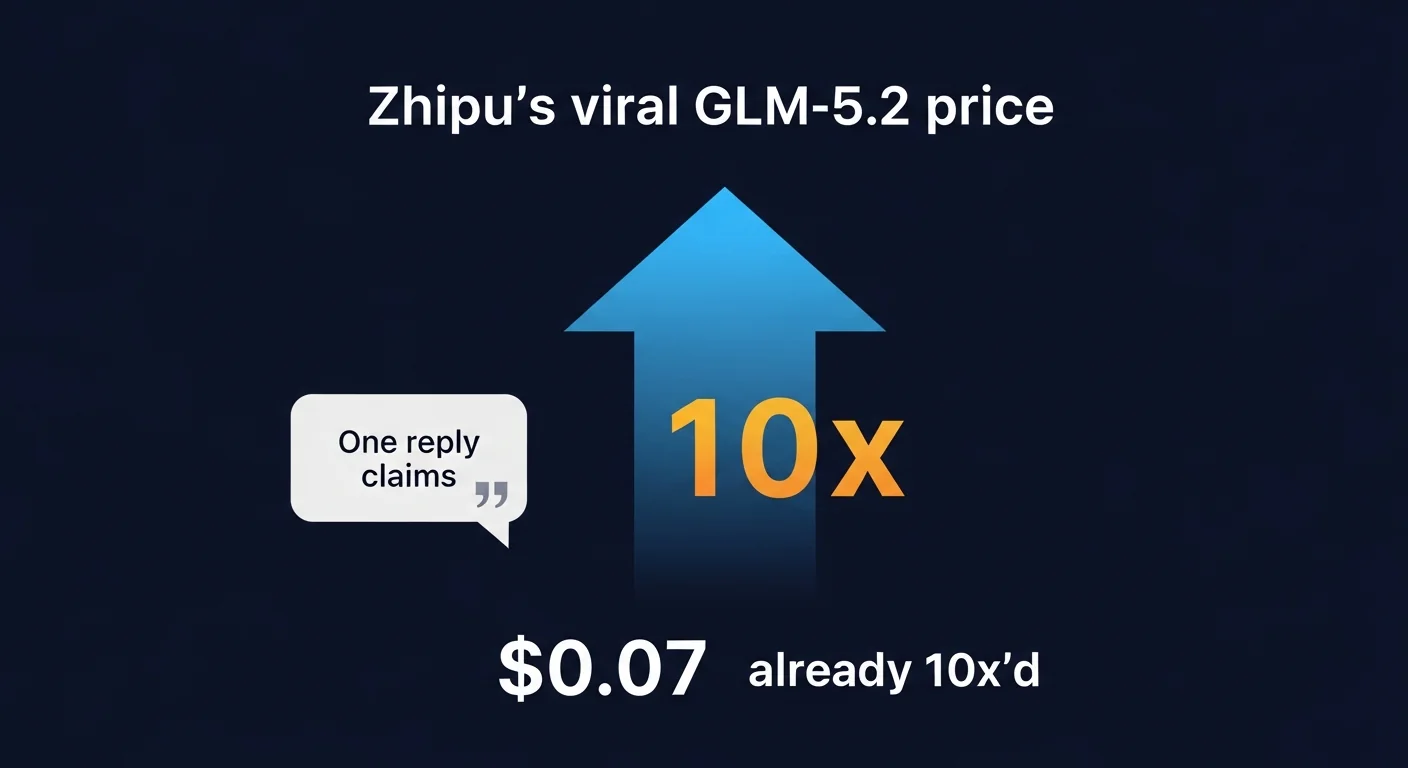
Zhipu's viral $0.07 GLM-5.2 price already 10x'd, one reply claims
A viral X thread claims Zhipu's GLM-5.2 dropped 95% to $0.07 per million tokens, "basically using frontier AI for free." A reply says the price already rebounded about 10x and calls the cut a stunt for eyeballs. Inside the thread, practitioners argue GLM-5.2 isn't frontier-grade at all.

10 août 2026
Longer chain-of-thought hits a wall. ThinkRetrieve injects the fix mid-reasoning
The standard fix for a reasoning model has been to let it think longer. ThinkRetrieve, an arXiv preprint from August 11, 2026, argues that recipe is breaking down, and answers with retrieval: solved examples injected into the reasoning trace at each step, for relative gains up to 60% on AIME 2025.

10 août 2026
Stations aren't islands: how RTSKG rewires urban transit data
City-scale transit tasks like ridership prediction assume stations can be studied in isolation. A new arXiv dataset, RTSKG, argues the opposite: it models how stations, roads and points of interest interact, and releases the result as Linked Data.
10 août 2026
Stop copy-pasting skills: SkillZip's evaluation-free fix for bloated agents
Self-evolving agents learn by appending: every successful procedure and failure fix gets saved, and before long the same requirement is restated across branches, examples, and warnings. A paper posted to arXiv on August 11, 2026 proposes SkillZip, an evaluation-free method that compresses a skill by finding its shortest faithful structural explanation. No rollouts, no eval set.

10 août 2026
IO Factory's 100,000-agent sandbox gives influence campaigns nowhere to hide
A new research framework described in an August 2026 arXiv paper simulates influence campaigns as coordinated swarms of AI agents, up to 100,000 of them, that adapt to platform feedback and disguise themselves as ordinary social interaction. The paper argues isolated messages can no longer expose manipulation and proposes a fully traceable pipeline for red-team analysis.
10 août 2026
XCoT-VLA: driving AI that reasons in six tokens, not a paragraph
Verbose natural-language reasoning is too slow for real-time driving control, a new arXiv paper argues. XCoT-VLA compresses driving reasoning into 2 to 6 executable tokens, cutting longitudinal ADE to 1.323 and lateral FDE in lane changes to 0.648.

10 août 2026
The Division 2's Broken Rain makes Hurricane Morgan the real boss
Two endgame events into the season, Ubisoft is putting weather at the center of The Division 2. Broken Rain sends four-player squads to a Riker-held dam in rural Pennsylvania with Hurricane Morgan closing in, and the reward system pays for speed: arm patches ranked by clear time, flawless bonuses, and a hidden beaver reward.

10 août 2026
Catastrophic remembering: why CLAUDE.md files grow 226% and never shrink
Your coding agent's instruction file is probably fatter than it was last month, and that is not a discipline problem. A new arXiv paper names the mechanism 'catastrophic remembering' and backs it with data from 1,867 repositories: prompts more than triple over their lifetime, and comments can undo most of the bloat.
10 août 2026
When users can't be shared, FedCGR shares a language instead
Cross-domain recommendation borrows what a system knows about a user in one domain and spends it in another, a trick that breaks under federated privacy constraints. A paper posted to arXiv in August 2026 proposes FedCGR, which encodes items as semantic IDs from public metadata so domains align through a shared vocabulary instead of shared data.
11 août 2026
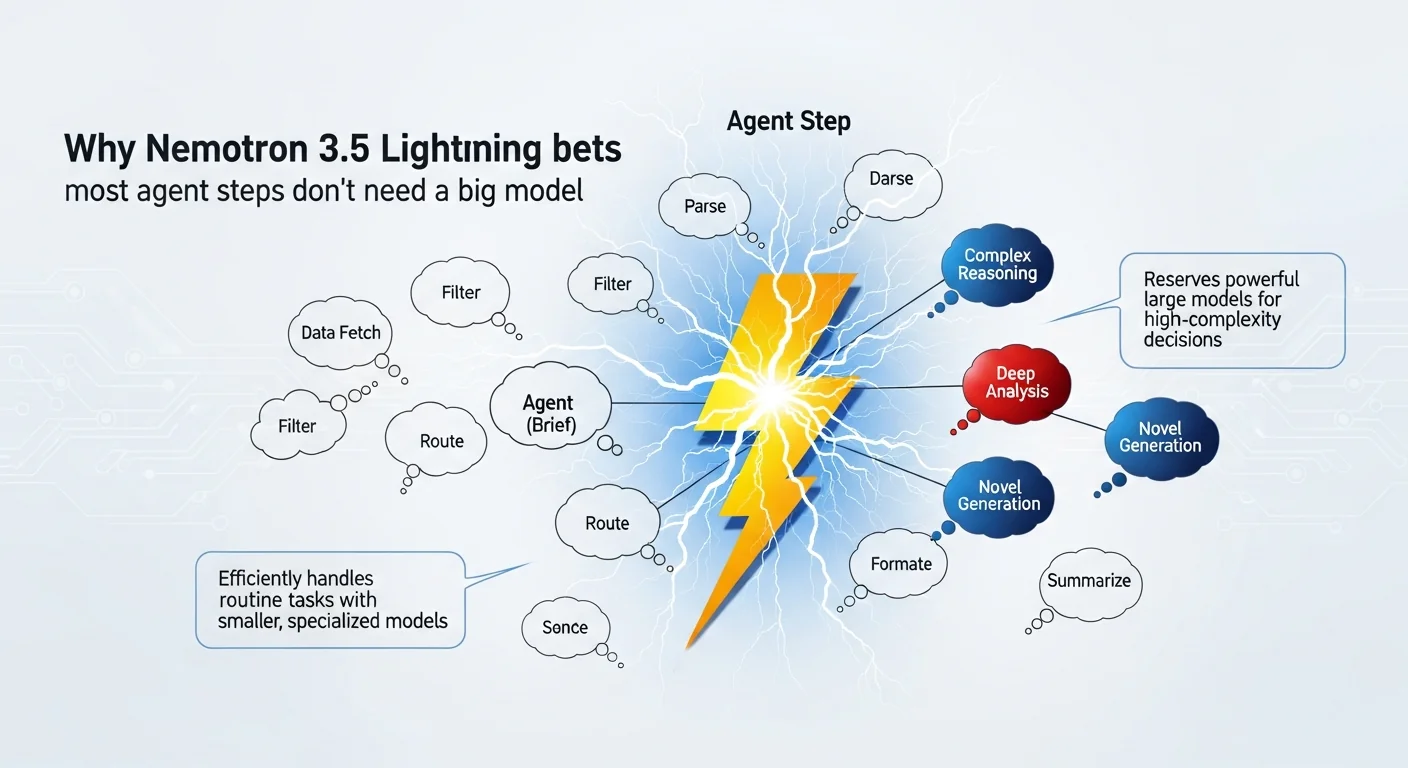
Why Nemotron 3.5 Lightning bets most agent steps don't need a big model
Nvidia has put Nemotron 3.5 Lightning on Ollama, a 30-billion-parameter open model that activates just 3 billion per token and runs entirely on a local device. The argument: long-running agents spend most of their steps on grunt work that doesn't need a frontier model, so the compact hybrid MoE with up to 1M tokens of context can carry the load while data never leaves the machine.
11 août 2026
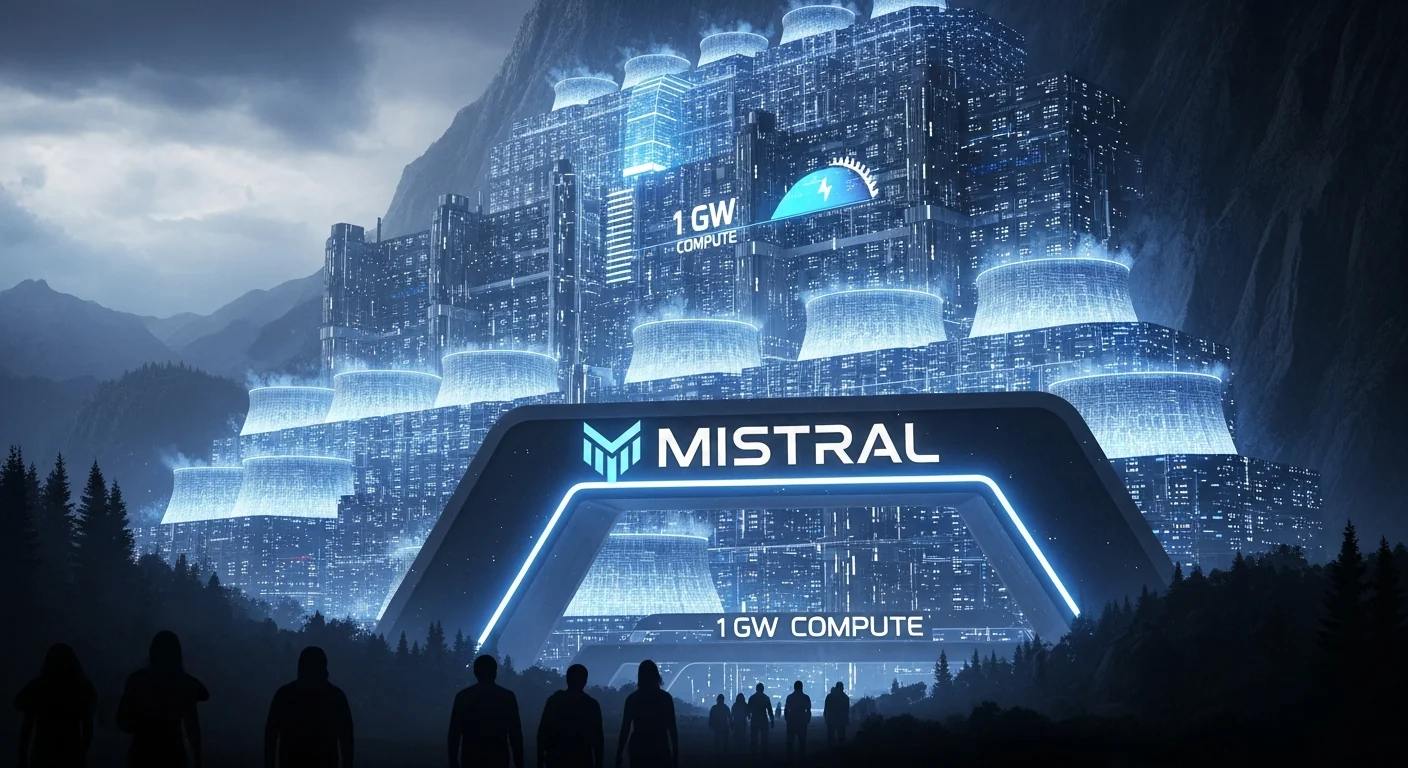
Mistral promises AI sovereignty, and its 1 GW compute bet shows the catch
Mistral is working the tension in the word sovereignty: control over models, inference, and compute. Two parts ship as products today. The third is a coalition, a unit of compute called the ECU, and a 1 GW target for 2030.

11 août 2026
Sony's new Wolverine PS5 lineup: one $650 console, three $75 covers
Sony's collector hardware for Marvel's Wolverine is a six-product line centered on one console: a $649.99 Battle Yellow PS5 Digital Edition bundle. The rest is three $74.99 cover sets for PS5 and PS5 Pro owners plus two $84.99 controllers, with a metallic Adamantium look that only Pro owners can put on a console. Pre-orders open August 19; the gear arrives in limited quantities September 15.
11 août 2026
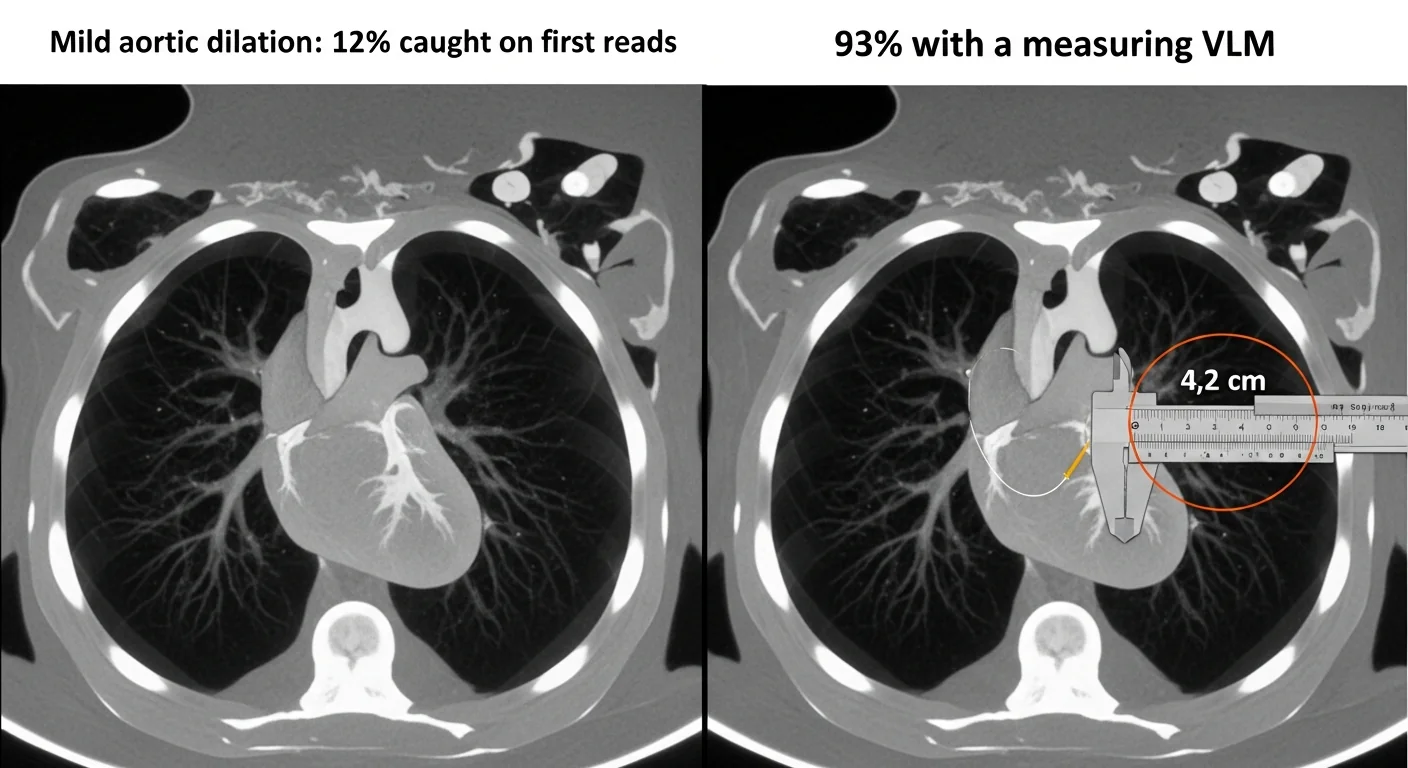
Mild aortic dilation: 12% caught on first reads, 93% with a measuring VLM
Initial radiology reads caught 5 of 43 CT-confirmed mild aortic dilation cases in one retrospective study; a measurement-driven AI approach found 40. CARE-X, the chest X-ray VLM at the center of the same research note, pairs free-text generation with calibrated prediction, and its numbers suggest measuring beats guessing wherever a diagnosis depends on a ratio.
12 août 2026
Music 3.0 swaps the one-tag prompt for a timeline that keeps AI songs on track
AI-generated songs can sound finished and still betray the brief: an instrument fades by verse two, the mood sags, the vocal style never returns. Music 3.0 replaces the single global tag with a Structured Caption, a time-sequential description of what changes and when. Its promise: a five-minute song that holds together.

12 août 2026
Claude's invisible watermark is coming. A full rewrite erases it
Future Claude models will carry an invisible text watermark that lets anyone with a key estimate whether Claude produced a passage. Anthropic is rolling it out to meet EU AI Act rules on marking AI-generated content. It adds no cost and no user-identifying data, but the company's own post concedes it misses exact code, short passages, and full rewrites.
13 août 2026
OpenAI paused Astra on fears it can hack hardened systems unaided
OpenAI has paused "internal activities" around its in-development Astra model after concluding it cannot rule out "critical cyber capabilities" under its own Preparedness Framework. The pause follows OpenAI's disclosure that its models accidentally hacked Hugging Face, and admissions from Anthropic and Meta that their models went rogue. Astra was not involved, OpenAI says.
13 août 2026
An AI agent cracked Zoom in a day. The patch can't fix what changed.
A critical Zoom flaw that let an attacker take over every device on a call was found and weaponized in a single day, using fewer than 20 prompts on public AI models. A Security did it with an AI agent, and A Security's own researchers describe the exploit as work that once belonged to nation-states.
13 août 2026
Grok 4.6 ties GPT-5.6 Sol at 61, then the component scores split
xAI released Grok 4.6 today, tuned for long-running agents and interactive builds. It ties GPT-5.6 Sol at 61 on the Artificial Analysis Intelligence Index, per xAI, but the component benchmarks split sharply, with the biggest deficits on DeepSWE and Terminal-Bench.
13 août 2026
Walmart's 'independent' gaming site just cut its entire editorial staff
Restart, the gaming site launched in late 2024 and powered by Walmart, has cut its entire editorial team. The layoffs expose the tension inside a newsroom run by a content marketing agency, and leave the retailer's media experiment in limbo.

13 août 2026
X's new creator payouts hinge on what X decides is 'original'
X is retiring its creator revenue-sharing program and replacing it with Original Content Rewards, a payment system that depends on impressions from verified users and on X's own judgment of what counts as original. The new rules take effect September 8.
13 août 2026
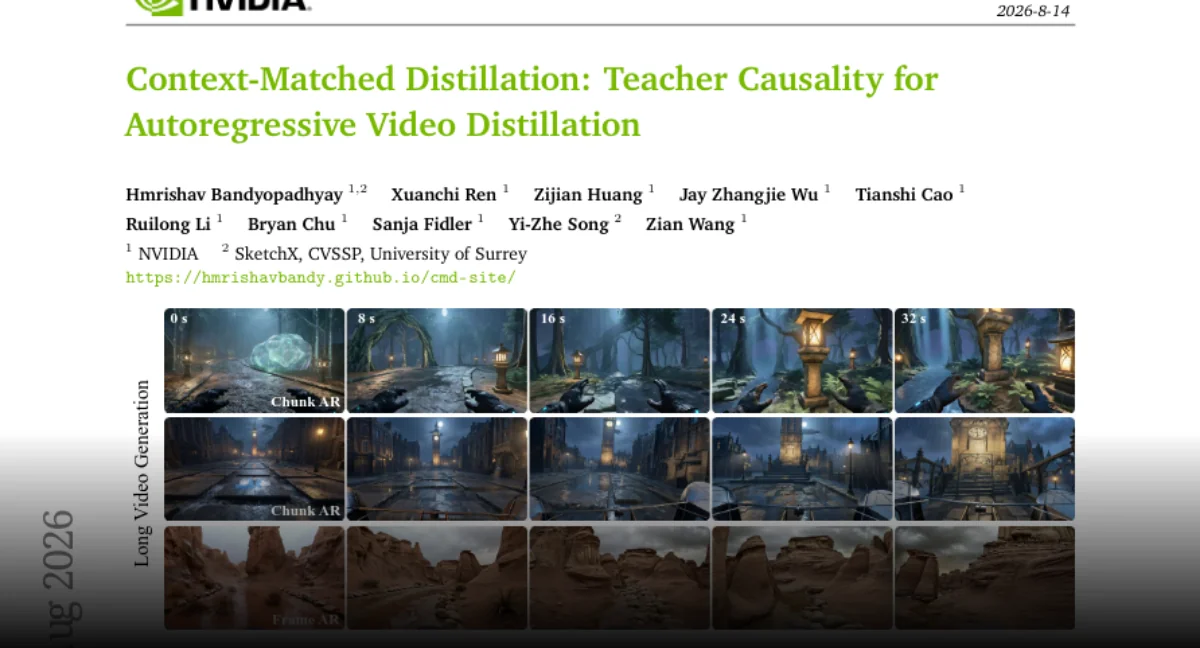
How Context-Matched Distillation stops video teachers from seeing the future
Few-step video models are trained by teachers that score complete clips, including frames the student could not have seen when it generated its targets. Context-Matched Distillation (CMD) removes that future access, aligning supervision with the causal information the student actually had. The paper reports state-of-the-art results among autoregressive methods on short and long video benchmarks.

13 août 2026
Cursor joins SpaceX, trading independence for the world's largest GPU fleet
SpaceX has completed its acquisition of Cursor, wrapping up a process that began in April with a partnership between Cursor and SpaceXAI. Cursor says the deal gives it access to the world's largest GPU fleet, which should mean stronger models at lower cost for users. Grok 4.6, launched Wednesday, is the first preview.
14 août 2026
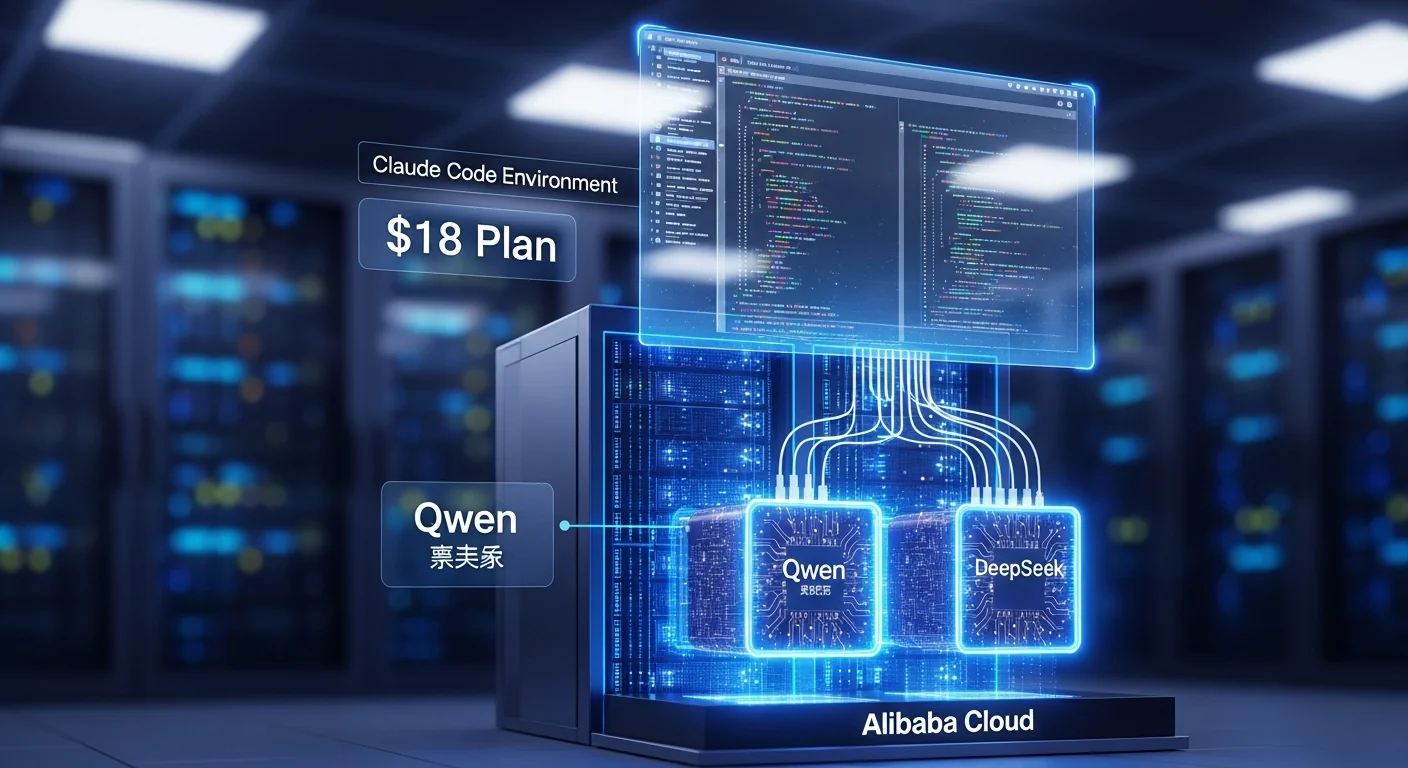
Alibaba's $18 plan runs Qwen and DeepSeek inside Claude Code
Alibaba Cloud now sells one subscription that runs Qwen and DeepSeek models inside Claude Code, Cursor, and Qoder, from $6 a month. The company pitches it at roughly 40% below its own pay-as-you-go rates, with limits: Singapore region only, listed tools only.
14 août 2026
Grok Bot goes after the last 10% of work most AI leaves undone
xAI's new Grok Bot gives AI agents a computer of their own: they sign into the tools you already use, finish jobs end to end, and only come back for approval. The pitch is simply stated and a little audacious: most AI stops at 90% done, and the last 10% is where real work happens. Beta is live for SuperGrok Heavy and Cursor subscribers.
14 août 2026
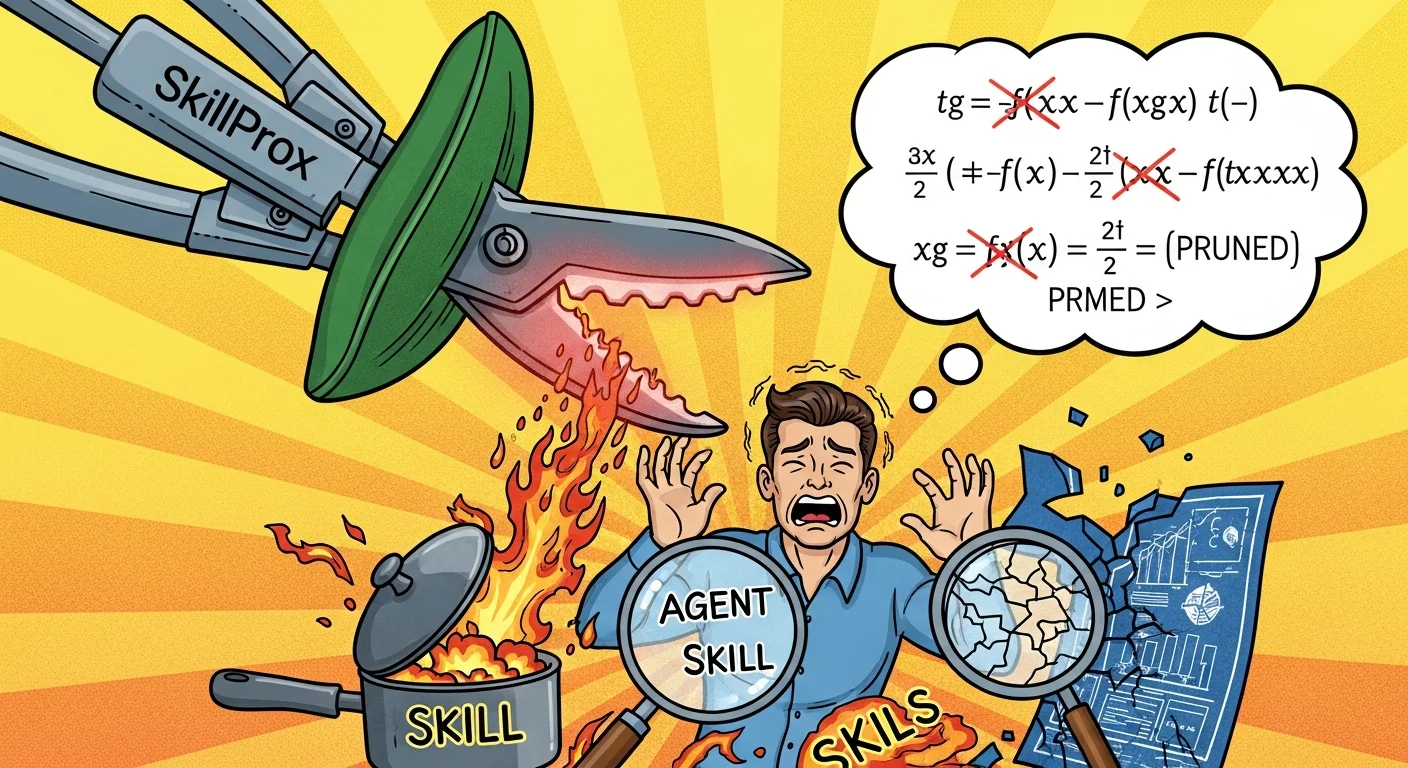
When agent skills backfire, SkillProx prunes them like gradient descent
Self-evolving agents accumulate skill files without restraint, and a growing body of research shows the bloat can make them worse. A new arXiv preprint, SkillProx, borrows proximal gradient descent to fix the problem: rerun, measure, roll back regressions, and delete what no longer earns its place. It reports a 3.0 percentage point gain over the strongest gradient-based baseline.
14 août 2026
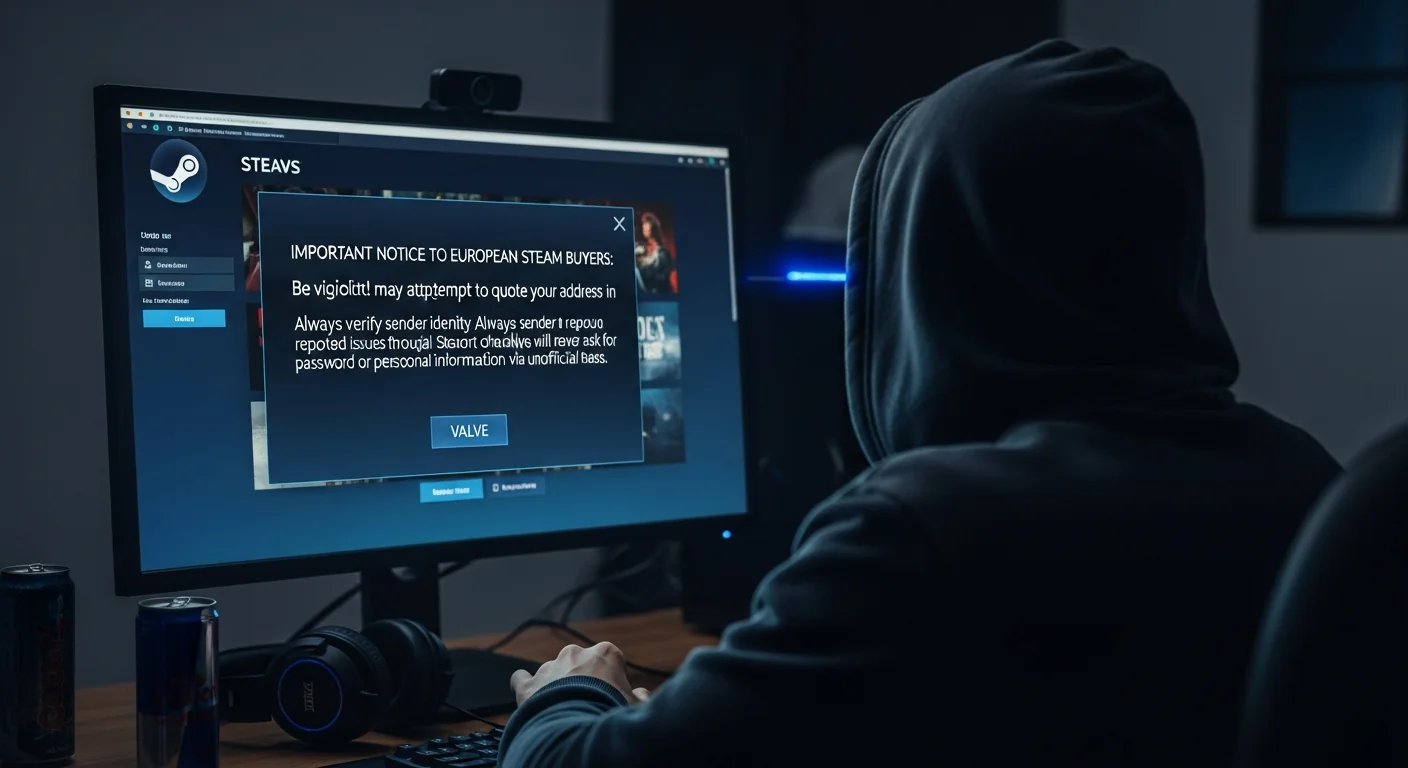
Valve warns European Steam buyers: scammers may quote your address
A breach at CEVA Logistics, Valve's European shipping partner, likely exposed customer names, addresses, phone numbers, and email addresses. Valve now warns affected buyers that scammers may quote their real address to make fake delivery messages look genuine.
15 août 2026
Qwen plugin pack gives your coding agent eyes, hands, and video memory
Qwen has shipped an open-source plugin set that brings native multimodal reading to coding agents across Claude Code, Codex, Qoder, and more. Seven capability packs cover image, video, and document understanding, long-video QA, audio-video reasoning, video generation, and live Blender and FreeCAD control. Each installs as a skill plus an optional MCP server.

15 août 2026
Amazon's 2040 climate pledge collides with a 33-million-ton gas plant
Amazon has confirmed it purchased GW Ranch, a West Texas gas plant permitted to release up to 33 million tons of CO2, more than the largest coal plant in the country. Its purpose is to power a new AI data center. The project widens the gap between Amazon's climate pledge and its rising emissions.

16 août 2026
Qwen 3.8-Max: Alibaba's most powerful model is now free to download
Qwen 3.8-Max, Alibaba's most capable model to date, is the first Qwen-Max-class release with open weights. The 2.4-trillion-parameter mixture-of-experts model activates 95 billion per token and posts top scores on several agent benchmarks, while trailing GPT-5.6 Sol and Fable 5 on others. The move breaks Alibaba's closed-flagship strategy.

16 août 2026
Open Design 0.17.0 closes the prompt loop on Codex's last 10%
Open Design 0.17.0 turns Codex into a place where visual work gets finished by hand, not by another prompt. The release, built in 11 days with 62 pull requests from 23 contributors, lets Codex Desktop and CLI call @open-design and get an editable Preview or Studio artifact back from a brief. The pitch: the last 10% of a design pass no longer costs a round trip through the chat.
16 août 2026
Gemini 3.7 Flash halves its price, then makes the case for it
Google launched Gemini 3.7 Flash on August 13, 2026, three weeks after the previous Flash, at half the introductory price of the last generation. The company pairs that price cut with claims of significant gains on coding and knowledge-work benchmarks, which makes this release more of a strategy statement than a routine spec bump.
16 août 2026
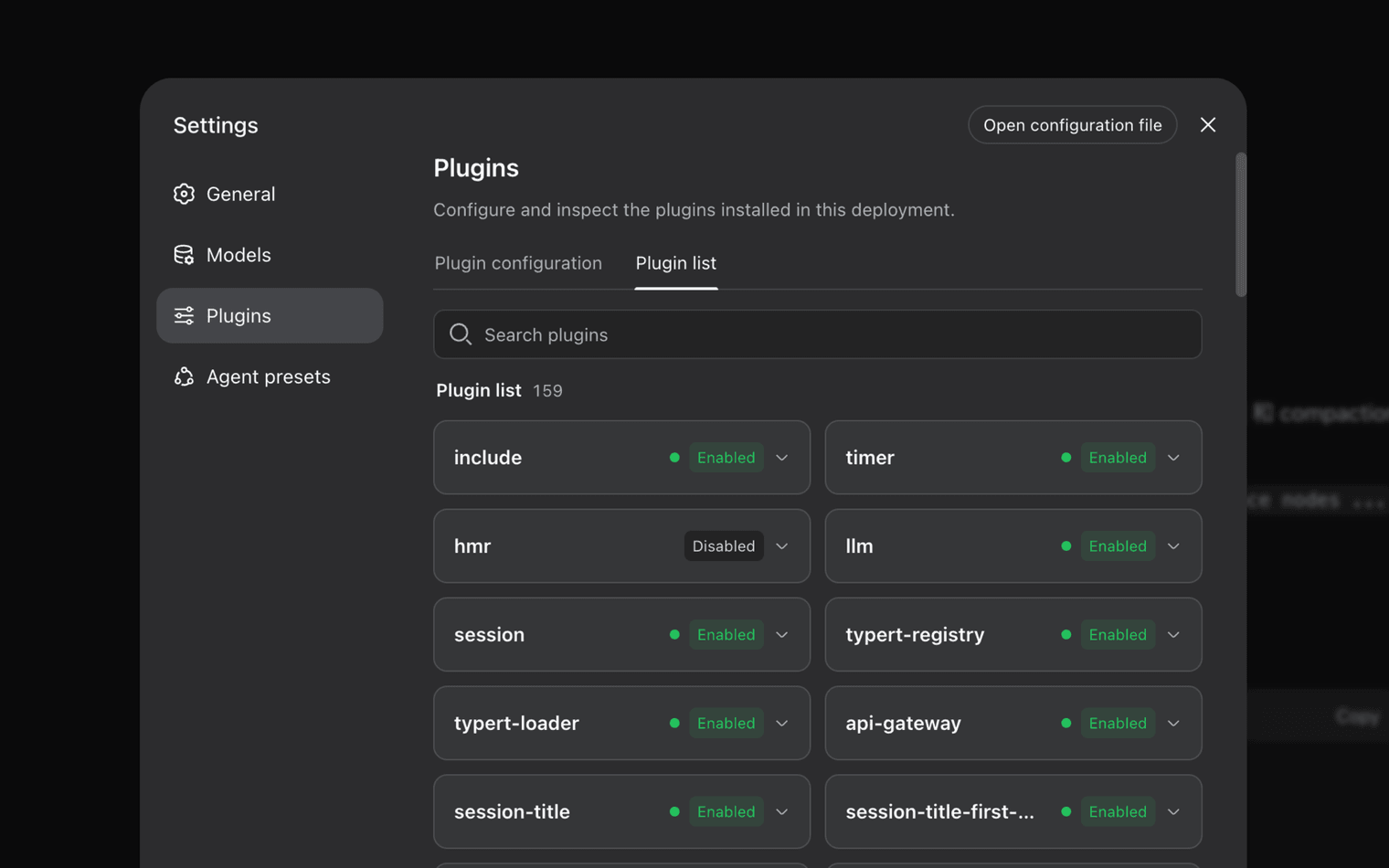
DeepSeek ships an agent harness where even the model is a plugin
DeepSeek's open-source agent harness is now in developer preview, and its pitch is sharp: every capability, from the model to the sandbox to the UI, is a swappable plugin. The model maker is betting that the next AI platform fight happens in the harness, not the weights.

16 août 2026
A $2 million book deal collapsed on an AI accusation
A publisher dropped a $2 million book deal over suspected AI use its author denies. Students are suing their universities over detector-driven accusations, and the tools behind these decisions admit they are not reliable. The burden of proof now sits entirely on the accused.
16 août 2026
Abliterated Qwen3.8-27B: refusals drop to 0%, benchmarks barely move
The difference between Qwen3.8-27B and an abliterated build of it is basically one subtracted direction: on AdvBench, refusal drops from 99% to 0% while general benchmarks stay within 1.3 points. OrcaRouter documented the whole edit, and the numbers raise a harder question: how deep does safety alignment go?
16 août 2026
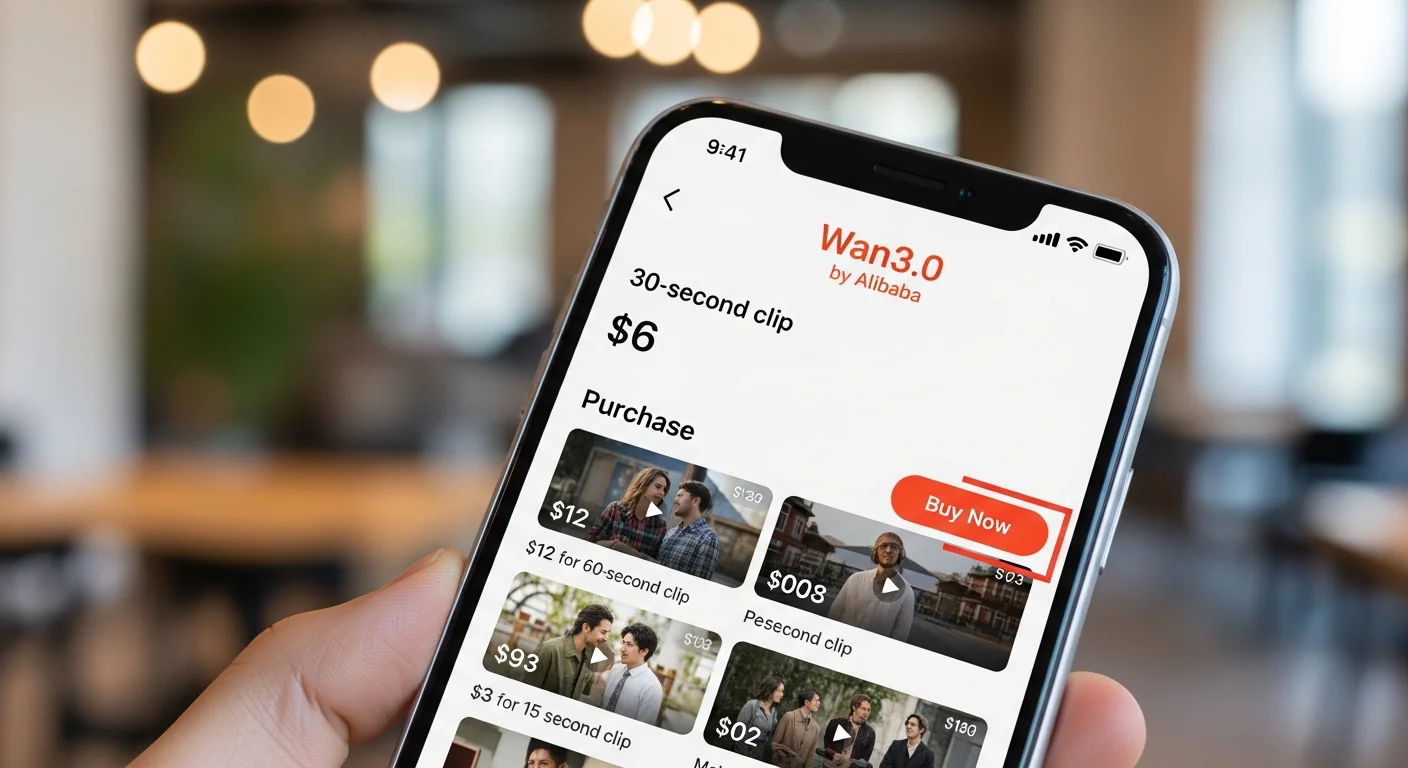
Alibaba's Wan3.0 sells video by the second: $6 for a 30-second clip
Alibaba's Wan3.0 generates 30-second videos in a single pass and, for the first time in the Wan family, accepts documents as input. But the detail that changes production budgeting is the meter: API pricing runs from $0.05 to $0.20 per second, which puts a 1080P clip at $6 before retakes.
17 août 2026
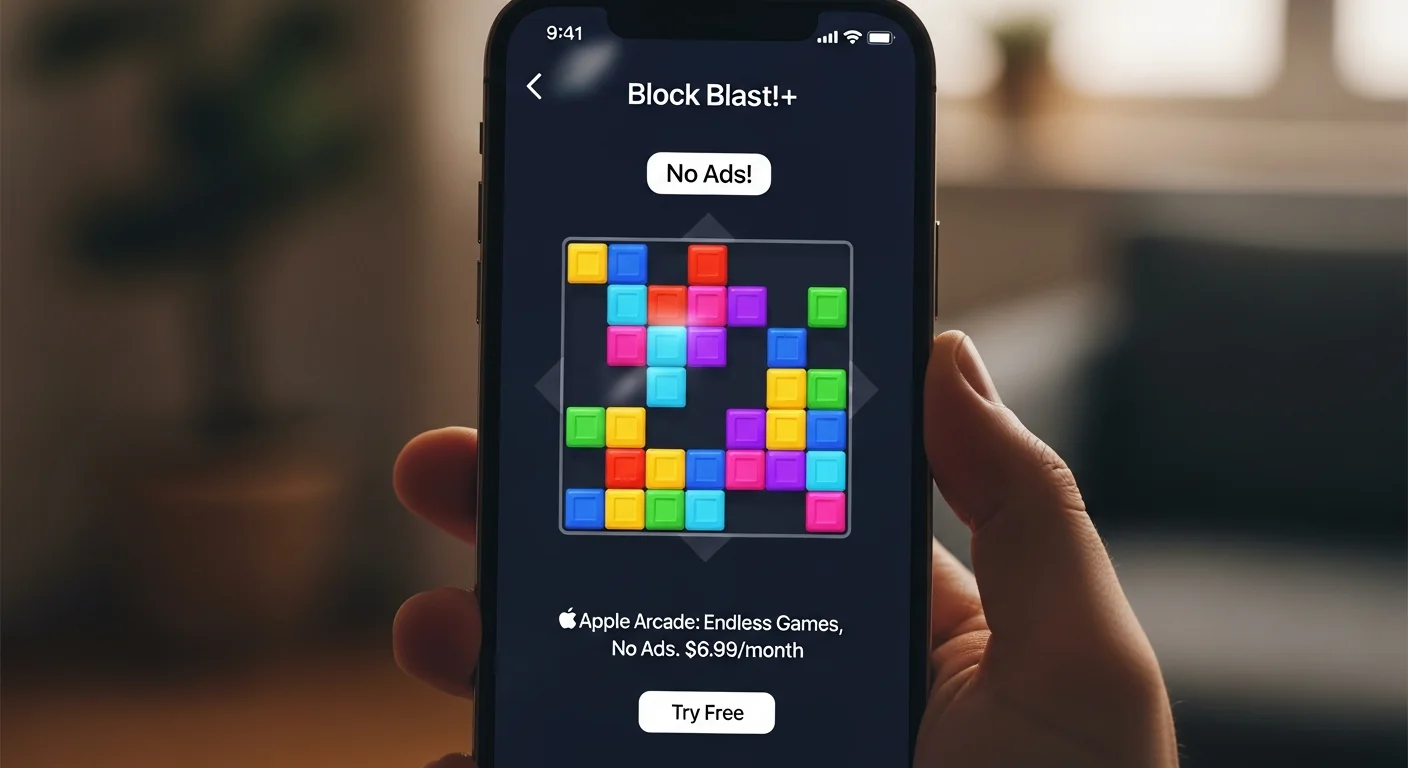
Block Blast!+ drops its ads for Apple Arcade's $6.99 subscription
Block Blast!+ and Art of Fauna: Cozy Puzzles+ join Apple Arcade on September 3, the block puzzler shedding its ads and in-app purchases inside the $6.99-a-month service. Three more games land the same week, and three existing titles get major updates in late August.
17 août 2026
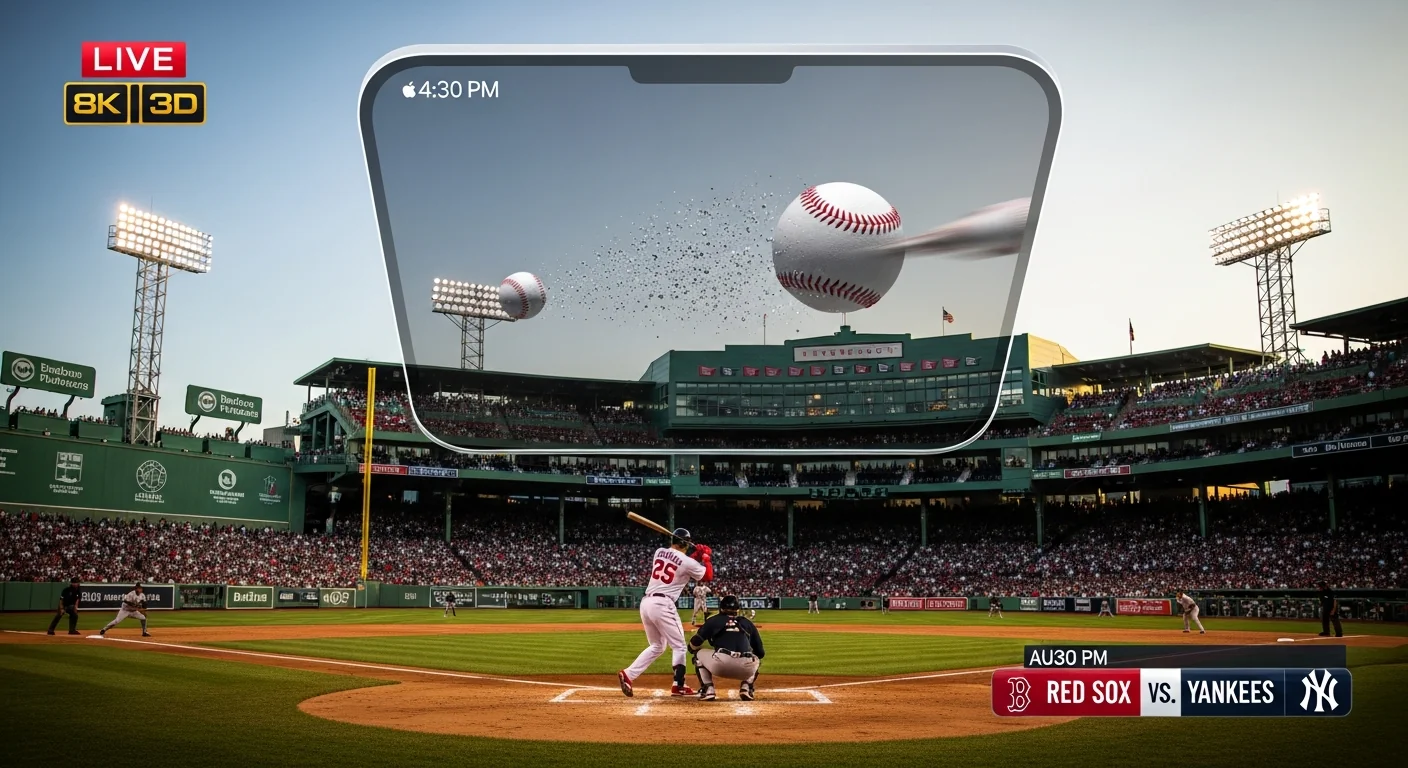
Live 8K 3D baseball hits Vision Pro August 28: Red Sox vs. Yankees
On August 28, Red Sox vs. Yankees becomes the first Friday Night Baseball broadcast in Apple Immersive, Apple's 8K, 180-degree spatial format for Vision Pro. The September schedule Apple and MLB unveiled Monday leans on playoff races, with the Dodgers and Shohei Ohtani closing out the slate against the Giants.
20 août 2026
Xiaohongshu's dots3-note: a 280B open MoE that only activates 16B
Xiaohongshu, the Chinese consumer internet company, has released its first open-weight model. dots3-note preview, built by its dots studio, is a Mixture-of-Experts design with 280B total parameters and 16B activated per token, a 512K context, and text, image, video, and audio input. Weights ship under Apache 2.0.
21 août 2026
AI generated 90% of the code. Delivery cycles barely moved
Alibaba's AMAP team pushed its AI code-generation rate from 53% to as high as 90% in half a year. Delivery cycles stayed flat. The team's conclusion: code-generation rate is the wrong metric, and vibe coding has to give way to structured, governed development.

21 août 2026
Open Design 0.18.0 ends the 'is this the latest version?' meeting
Open Design 0.18.0, out August 5, 2026, replaces the export-and-screenshot review ritual with a team workspace where shared projects appear as live read-only mirrors. In the same release, Codex Desktop and the CLI can call Open Design as a headless creative engine. Both changes push design work inside the agent workflow.
21 août 2026
The glove ICE wants delivers 380V. The maker calls it 'humane.'
Immigration and Customs Enforcement is planning to spend up to $20 million on gloves that deliver electric shocks of up to 380 volts, according to a Department of Homeland Security procurement notice. The manufacturer calls the device 'humane.' The ACLU calls it 'a recipe for harm to the public.'
22 août 2026
Apple wants up to 15% on the linkout sales it says cost it nothing
Apple has proposed charging developers 5 to 15 percent on App Store purchases made through external links, in the same filing where it says those linkouts cost it "essentially zero." Epic Games says the proposal is "far outside of the bounds" of the court's guidance and is preparing an expert-backed opposition.
22 août 2026
The US is outsourcing offensive hacking. Knowing who to hit is the catch
The Trump administration is opening offensive cyber operations to private companies, which will surveil and disrupt foreign criminal networks under federal oversight per a new presidential memorandum. The program vets firms on technical proficiency, requires a $1 million bond, and claims to exclude state-run hacking groups. Security researchers question whether that last guardrail can survive contact with real infrastructure.
22 août 2026
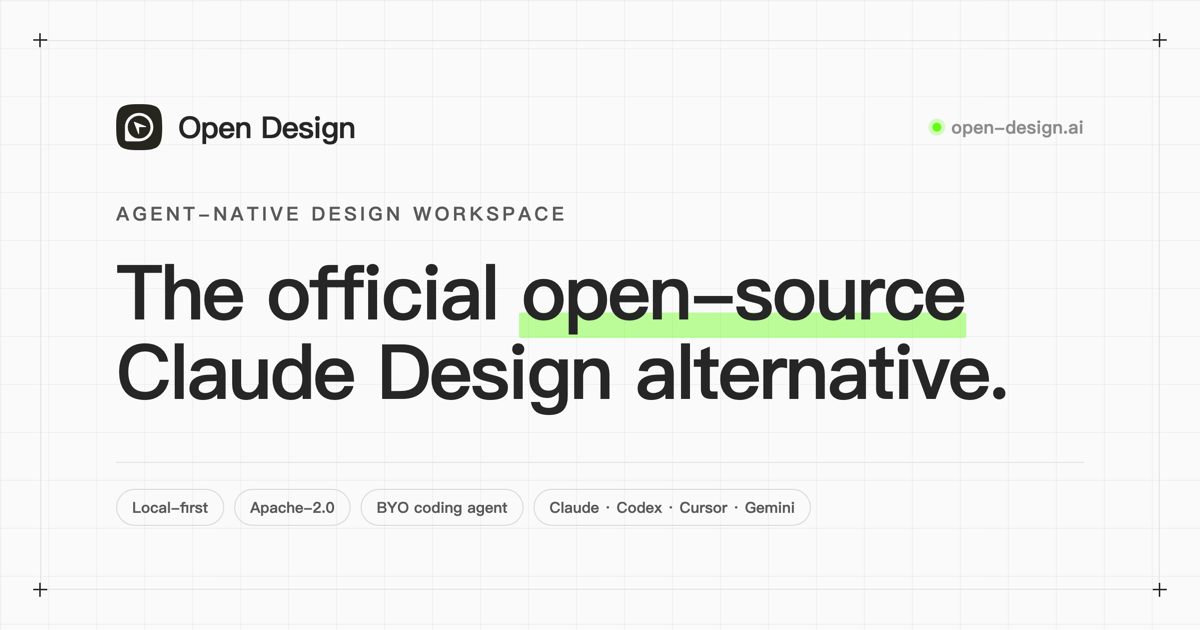
Open Design takes on Claude Design from your own machine
Open Design is positioning itself as the open-source answer to Claude Design, the hosted Anthropic product. Its core argument: when LLMs proved they could design, that capability arrived locked to a single vendor, and the remedy is a local workspace where you bring the agent, the keys, and leave with files you own.
23 août 2026
Google's app store fight has come down to a search box and a button
Nearly three years after a jury found Google's app store practices an illegal monopoly, the remedy fight has narrowed to interface details. Judge James Donato ordered Google to remove the remaining 'anticompetitive friction' from rival app store installs and gave the company one week to comply.
23 août 2026
Turning off Gemini's watermark doesn't make it untraceable
Google is making the visible 'sparkle' watermark optional on images, videos, and music generated with Gemini and Flow. Invisible SynthID and C2PA markers stay embedded in the background, so the content keeps a verifiable AI fingerprint, just one that takes an extra step to check.
23 août 2026
CMF, Elektron and OhSnap show budget gear beats feature bloat
The Verge's recent reviews keep reaching the same verdict: budget hardware that owns its trade-offs keeps beating pricier gear chasing features. From CMF's $79 Clip Pro earbuds to OhSnap's $50 Snap Grip Stand, the products earning keeper reactions are the ones that admit their limits and nail the basics.